
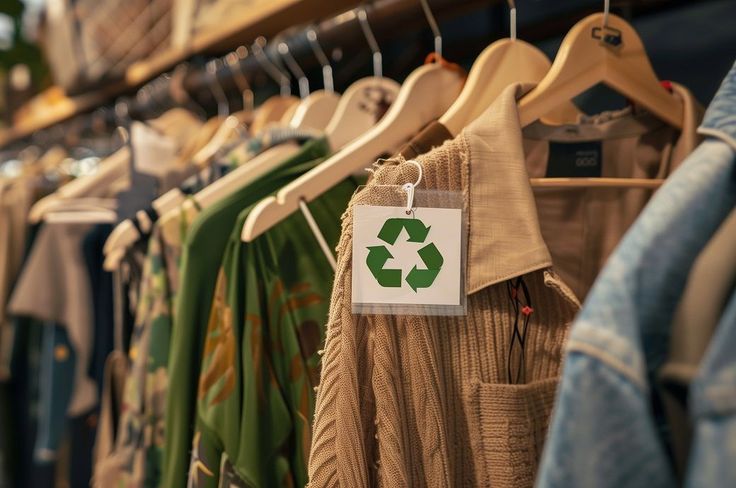
The global fashion industry is entering a new investment era. What was once considered a high-risk, trend-driven sector is now attracting serious capital from institutional investors, venture funds, and impact-driven portfolios.
The reason is clear. Sustainable fashion brands are no more niche players. They are becoming scalable, profitable, and future-ready businesses.
In 2026, investors are chasing growth while prioritizing resilience, transparency, and long-term value creation. This is exactly where sustainable clothing stands out.
Key data shaping investor confidence:
- The global sustainable fashion market is projected to grow at over 9% CAGR through 2030
- ESG-focused investments have crossed $40 trillion globally
- Over 70% of consumers prefer brands with ethical and environmental commitments
- Companies with strong sustainability frameworks are seeing higher valuation multiples
This shift is not accidental. It is strategic. Investors are backing businesses that are aligned with future regulations, consumer expectations, and global sustainability goals.
Scope3 is positioned at the center of this transformation, building a brand that aligns sustainability with scalability.
In this blog, you will understand why investors are actively funding sustainable fashion brands, what trends are driving this momentum, and how brands like Scope3 are capturing long-term value.
Why Sustainable Fashion is Attracting Investor Attention
1. Strong Market Demand
Consumer behavior has changed significantly. People are now choosing quality, ethics, and durability over fast consumption.
Search demand for terms like eco friendly apparel, vegan leather bags, and sustainable clothing continues to rise, reflecting a shift in buying intent.
This growing demand directly translates into higher revenue potential, making sustainable fashion brands highly attractive to investors.
2. Premium Pricing Power
Unlike fast fashion, sustainable brands can command better pricing due to:
- High-quality materials
- Ethical production
- Brand storytelling and transparency
Consumers are willing to pay more for products that align with their values, improving profit margins and investor returns.
3. ESG and Compliance Advantage
Environmental, Social, and Governance factors are now critical in investment decisions.
Brands focusing on sustainability are:
- Better prepared for future regulations
- More attractive to global investors
- Positioned for long-term compliance
This reduces risk, which is a key factor in investment decisions.
Why Investors Prefer Sustainable Fashion
Rising Consumer Awareness
↓
Increased Demand for Sustainable Clothing
↓
Stronger Brand Loyalty
↓
Higher Revenue Potential
↓
Better Investor Confidence
↓
Increased Funding & Growth
Why Investors Prefer Sustainable Fashion
Investors are not just funding general fashion brands. They are focusing on high-growth segments within sustainable fashion.
1. Corporate and Workwear segments
Demand for womens corporate wear, corporate wear uniforms, and staff uniform solutions is growing as companies prioritize brand identity and sustainability.
Sustainable corporate apparel offers the following:
- Bulk order opportunities
- Long-term contracts
- Consistent revenue streams
This makes it highly attractive from an investment perspective.
2. Vegan and Alternative Materials
The demand for vegan leather handbags and vegan leather bags is increasing rapidly as consumers move away from animal-based products.
These segments offer:
- High margins
- Strong global demand
- Innovation-led differentiation
3. Eco-Friendly Apparel
The rise of eco friendly apparel is driven by awareness around environmental impact.
Investors see this as a scalable segment with global appeal, especially in digital-first markets.
How Scope3 Aligns with Investor Expectations
Modern investors look for brands that combine sustainability with scalability. Scope3 is built around this exact model.
1. Purpose-Driven Brand Strategy
Scope3 integrates sustainability into its core identity rather than treating it as an add-on.
2. Scalable Business Model
With growing demand across categories like corporate wear and eco-conscious apparel, the brand is positioned for expansion.
3. Strong Consumer Alignment
By focusing on sustainable clothing, Scope3 connects with modern, conscious consumers.
4. Future-Ready Positioning
The brand aligns with long-term industry trends, making it attractive for forward-looking investors.
Traditional Fashion vs Investor-Focused Sustainable Fashion
Factor | Traditional Fashion | Sustainable Fashion |
Growth Model | Volume-driven | Value-driven |
Consumer Base | Price-sensitive | Value-conscious |
Risk Level | High | Moderate to low |
Brand Loyalty | Low | High |
Investor Appeal | Declining | Increasing |
Financial Advantages of Investing in Sustainable Fashion
Investors are seeing clear financial benefits:
- Higher customer lifetime value
- Better brand differentiation
- Lower long-term risk
- Access to global ESG funds
Sustainable brands are also better positioned to scale internationally, especially in markets where regulations are stricter.
Investment Growth Cycle in Sustainable Fashion
Investment in Sustainable Brand
↓
Product Innovation & Ethical Manufacturing
↓
Increased Consumer Trust
↓
Higher Sales & Brand Loyalty
↓
Revenue Growth
↓
Investor Returns & Expansion
Investment Growth Cycle in Sustainable Fashion
Despite the growth, investors remain cautious about the following:
- High initial production costs
- Scaling sustainable supply chains
- Market education in emerging regions
- Risk of greenwashing
However, these challenges are outweighed by long-term growth potential.
When we successfully navigate these challenges, we position ourselves as leaders shaping the future of fashion.
Key Trends Defining 2026 and Beyond
1. Conscious Consumer Economy
Consumers are driving demand for sustainable fashion brands through informed purchasing decisions.
2. Digital-First Brand Growth
Online platforms are enabling sustainable brands to scale faster and reach niche audiences.
3. Circular Fashion Models
Resale, recycling, and reuse are becoming key components of business strategy.
4. Corporate Sustainability Demand
Companies are increasingly investing in corporate uniform apparel that aligns with their ESG goals.
Why Investors Are Choosing Sustainable Fashion
Reason | Impact |
Rising Demand | Strong revenue growth |
ESG Alignment | Lower regulatory risk |
Premium Pricing | Higher margins |
Brand Loyalty | Repeat customers |
Market Expansion | Global scalability |
Conclusion
The investment sector in 2026 clearly shows one direction. Sustainable fashion brands are not just the future. They are the present.
As consumer expectations evolve and regulations tighten, investors are backing brands that offer transparency, responsibility, and long-term value.
Scope3 represents this new generation of fashion businesses. By combining sustainability with scalability, it is well-positioned to attract investment and drive meaningful growth.
If you are looking to build or invest in the future of fashion, the opportunity lies in sustainable clothing that delivers both impact and profitability.
FAQs
Why are investors interested in sustainable fashion brands?
Investors are interested in sustainable fashion brands because they offer long-term growth, align with ESG goals, and meet rising consumer demand for sustainable clothing and ethical products.
What is sustainable clothing and how is it different from fast fashion?
Sustainable clothing focuses on eco-friendly materials, ethical manufacturing, and long-lasting design, while fast fashion is based on quick production, low cost, and short product life cycles.
Is eco friendly apparel a profitable business in 2026?
Yes, eco friendly apparel is becoming highly profitable due to increasing consumer awareness, premium pricing, and strong demand for responsible fashion choices.
Why is demand growing for vegan leather bags and handbags?
Demand for vegan leather bags and vegan leather handbags is rising as consumers look for cruelty-free, sustainable alternatives that offer both style and durability.
How is sustainable fashion influencing corporate wear and uniforms?
Businesses are now adopting corporate wear uniforms and staff uniform solutions made from sustainable materials to align with ESG goals and build a responsible brand image.